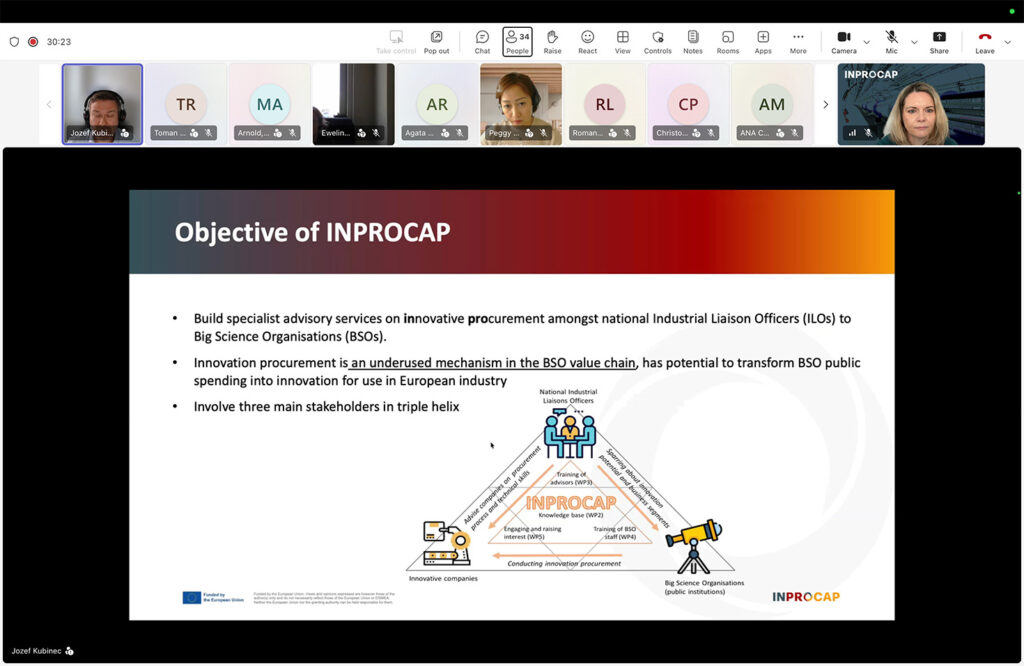
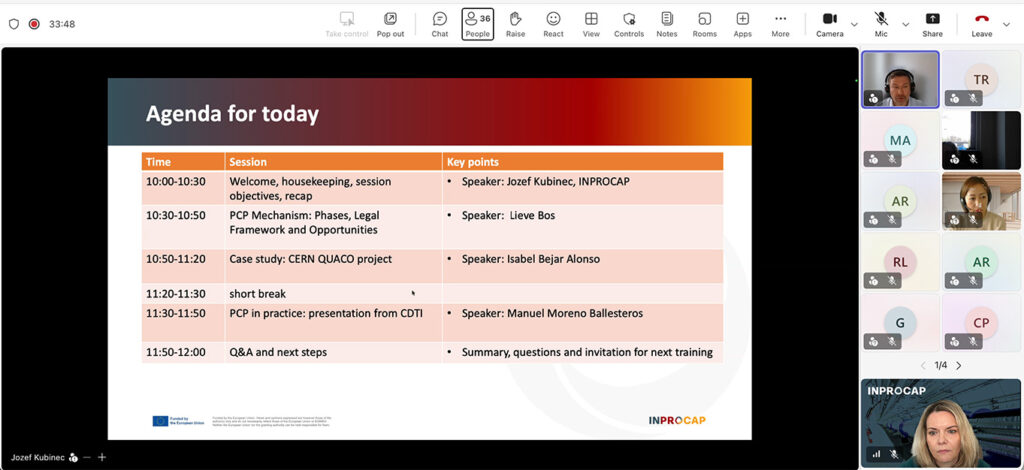
On 23 April 2026, the INPROCAP project delivered its sixth webinar, dedicated to Pre-Commercial Procurement (PCP) and its role in addressing complex technological challenges in the Big Science ecosystem. The session brought together policy insights, legal perspectives, and practical experience, offering a well-rounded view of how PCP can be effectively implemented.
The webinar was moderated by Jozef Kubinec, innovation procurement expert, who introduced the PCP concept and guided participants through the session.
From Concept to Application
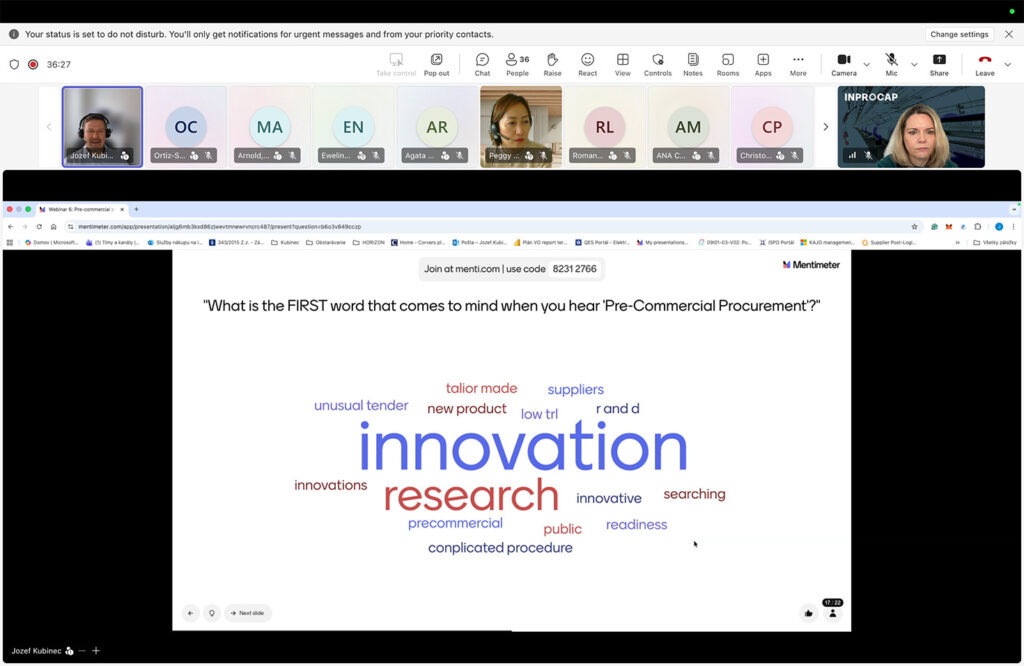
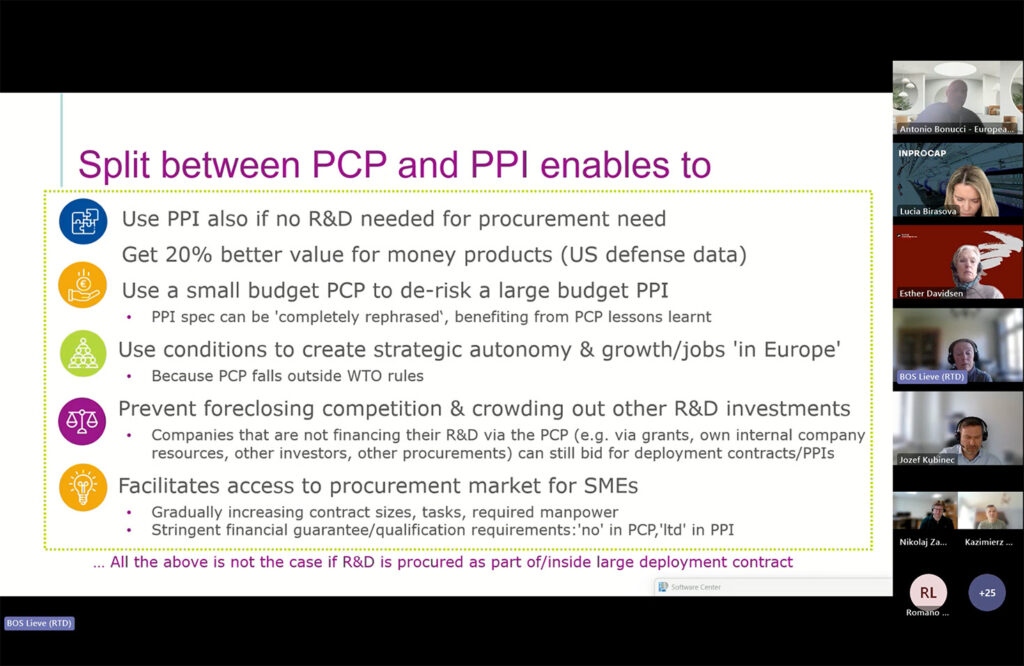
The webinar provided a structured overview of the PCP mechanism, including its phases, legal framework, and strategic positioning within innovation procurement. PCP was presented as a tool for procuring research and development services in situations where solutions are not yet available on the market, enabling public buyers to stimulate innovation while sharing risks and benefits with suppliers.
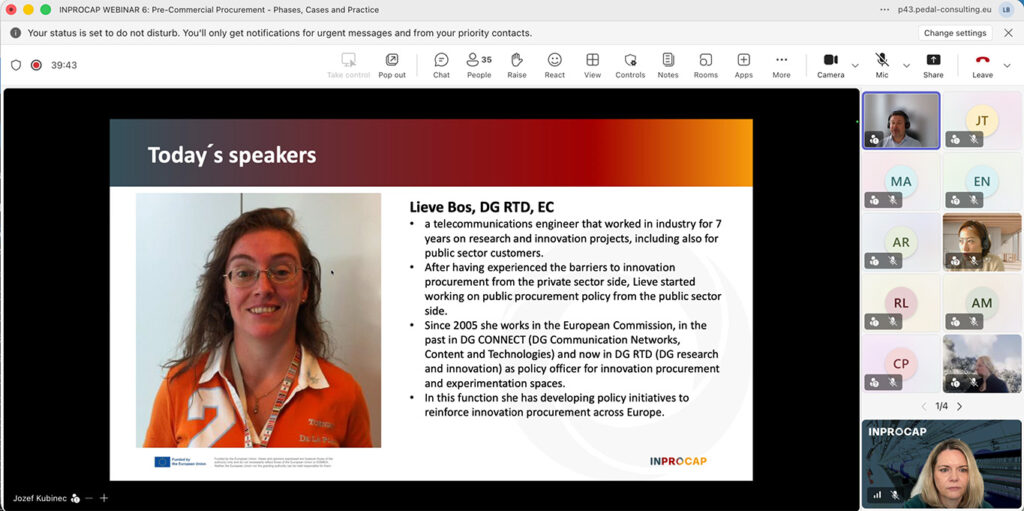
Insights from Lieve Bos (European Commission) highlighted the importance of innovation procurement in strengthening Europe’s competitiveness, accelerating innovation uptake, and creating opportunities for companies, particularly SMEs.
Real Case: CERN QUACO PCP
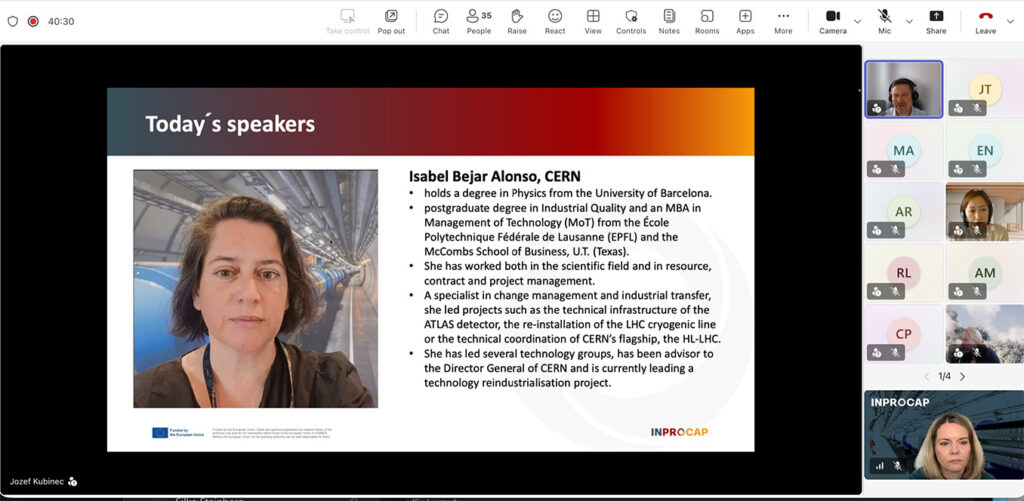
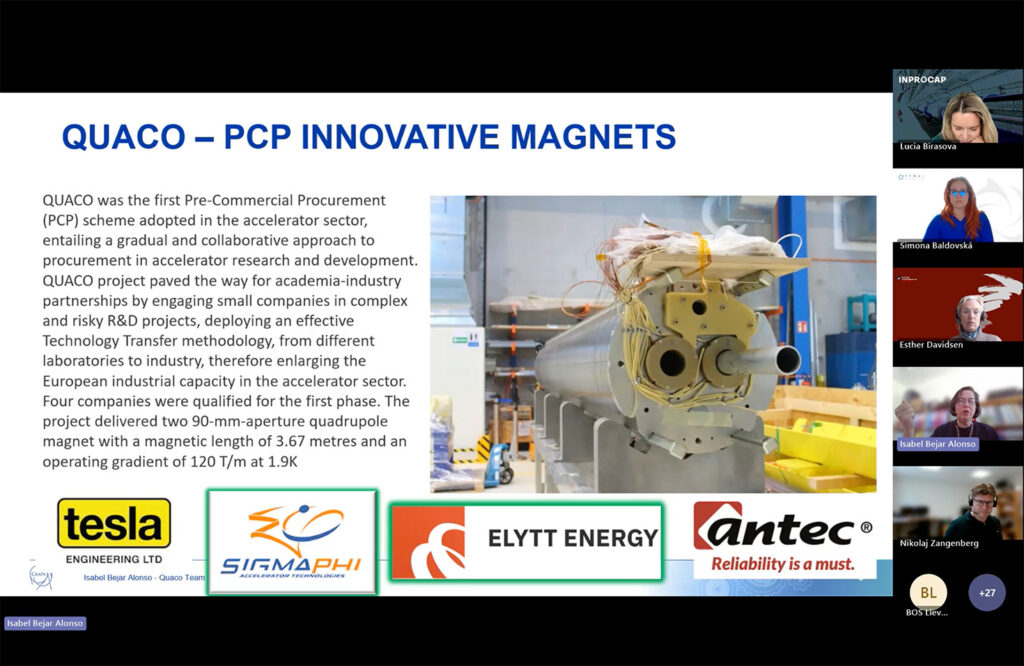
A central part of the webinar was the presentation of the QUACO PCP project at CERN by Isabel Bejar Alonso, demonstrating how PCP can be applied in a highly specialised research environment.
The project focused on the development of superconducting quadrupole magnets for the High-Luminosity Large Hadron Collider (HL-LHC), addressing a challenge where no market-ready solution existed. Through a phased and competitive process, PCP enabled multiple suppliers to develop and test solutions, ultimately supporting technological advancement and industrial capability building.
The case demonstrated the value of PCP in:
- enabling innovation in high-risk R&D environments,
- engaging SMEs in complex technological development,
- and facilitating knowledge transfer between research infrastructures and industry.
Practical Implementation: CDTI Experience
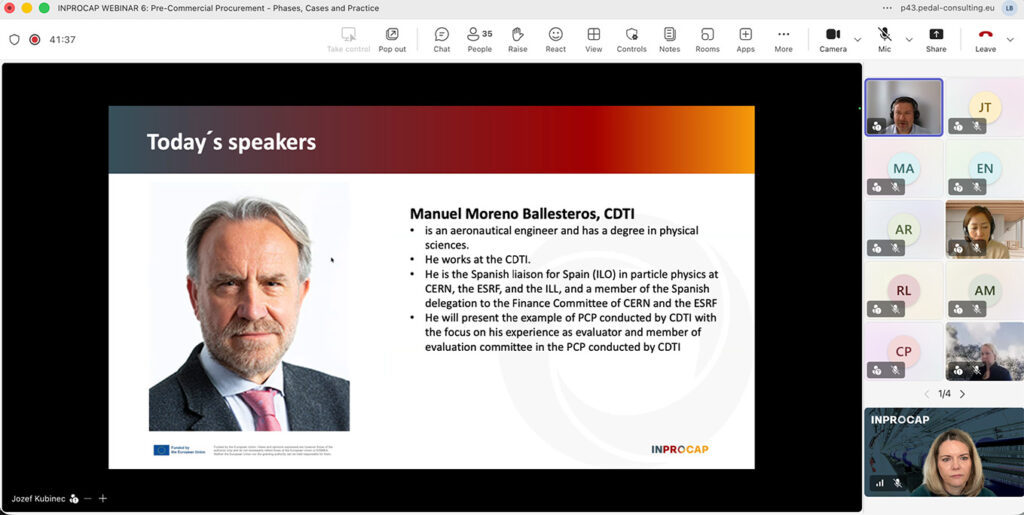
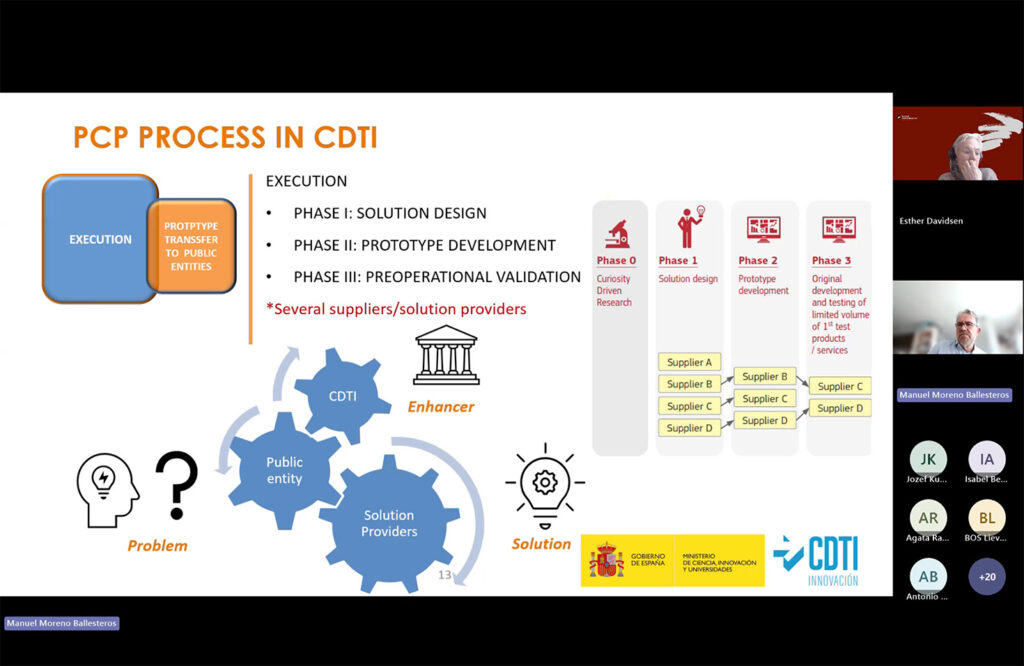
The practical dimension of PCP was further explored through the experience of Manuel Moreno Ballesteros (CDTI, Spain), acting as a public buyer of R&D services. The presentation outlined the full lifecycle of a PCP procedure, including challenge definition, preliminary market consultation, tender preparation, and multi-phase execution.
The process highlighted how PCP operates in practice:
- starting from identifying unmet needs and engaging the market,
- progressing through solution design and prototype development,
- and concluding with validation in real operational environments.
This approach ensures both flexibility and competition while supporting the development of innovative solutions.
Conclusion
The webinar confirmed the relevance of Pre-Commercial Procurement as a strategic instrument for driving innovation in environments where solutions are not yet available on the market. By combining a structured, phased approach with early market engagement and risk-sharing mechanisms, PCP enables public buyers to address complex challenges while fostering collaboration with industry.
Real-life experiences from CERN and CDTI demonstrated that PCP not only supports technological development but also strengthens industrial capacity, encourages SME participation, and accelerates the transition from research to practical application.